
Jawbone Loss and Deterioration

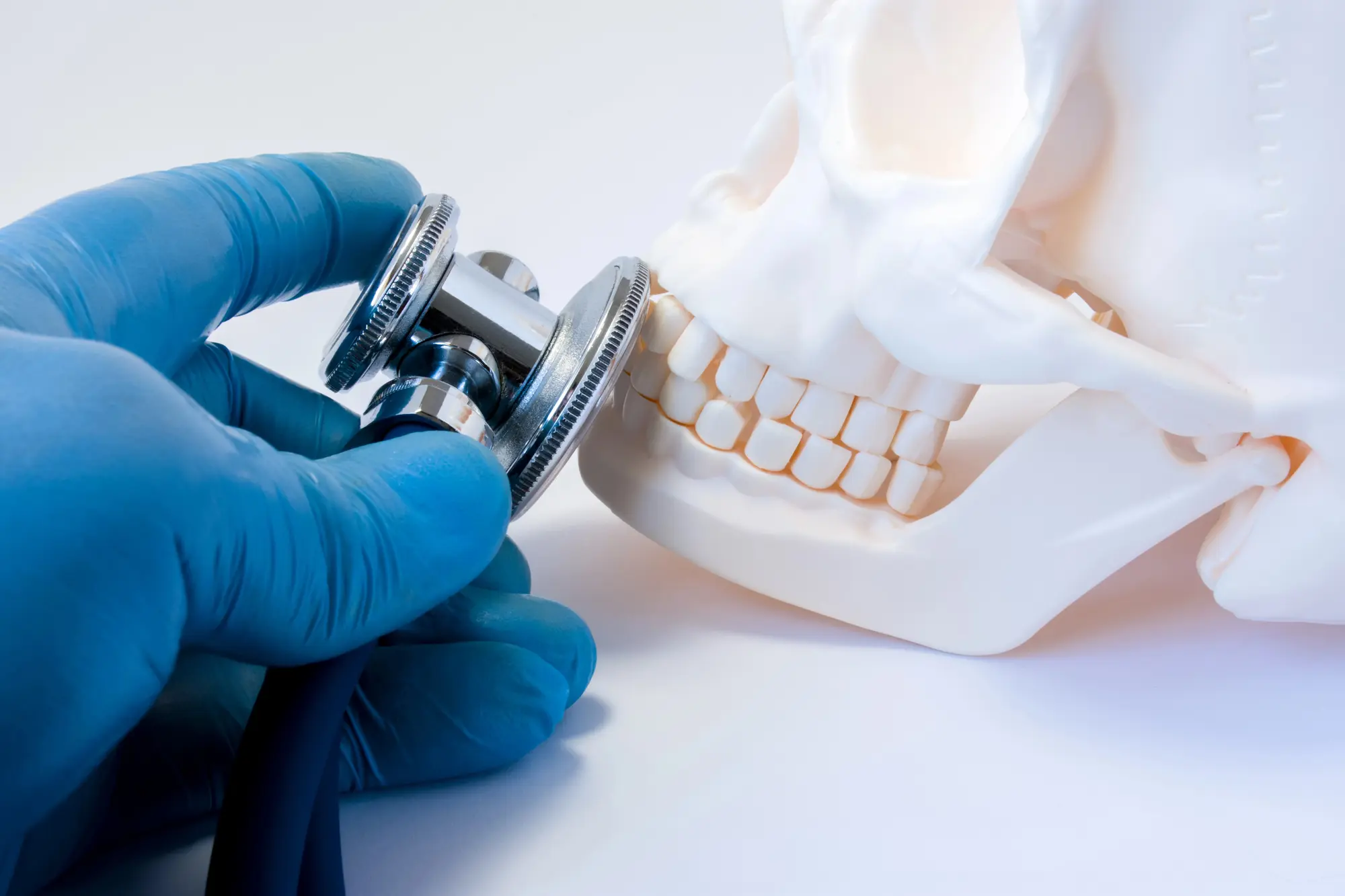
There are several factors that can lead to jawbone loss and catching them early makes a big difference in preventing the problem from getting worse. The longer it’s left untreated, the harder it can be to restore the bone and keep your smile healthy.
What Causes Jawbone Loss?
Developmental Deformities
Certain birth defects can cause missing portions of teeth, facial bones, or the jaw. Examples include cleft lip and palate, where parts of the upper jaw and palate are underdeveloped, and conditions like Crouzon syndrome or Treacher Collins syndrome, which affect the facial bones.
Bone grafting can help restore function and promote growth in these areas.
Dentures and Bridgework
Unanchored dentures rest on the gums and don’t stimulate the underlying bone. Over time, the bone shrinks, leading to ill-fitting dentures that cause difficulty with speaking or eating.
Likewise, bridgework, though supported by adjacent teeth, leaves the area where the tooth is missing without stimulation.
Misalignment
Misaligned teeth place uneven pressure on the jaw, contributing to bone loss. Conditions like TMJ and wear-and-tear can also create abnormal forces, damaging the bone’s health.
Osteomyelitis
An infection in the jawbone can lead to inflammation and reduce the blood supply to the bone, causing it to weaken. Treatment usually involves antibiotics and possibly bone removal, followed by a bone graft to restore function.
Periodontal Disease
Gum disease, such as gingivitis or periodontitis, causes inflammation that destroys the structures supporting your teeth, including the jawbone. As plaque builds up and hardens into tartar, it irritates the gums and results in bone loss. Without proper care, the damage can worsen, loosening teeth and accelerating bone deterioration.
Sinus Deficiencies
After molar extractions in the upper jaw, the bone beneath may weaken as the pressure from the sinuses increases. As the sinuses expand over time, they can further reduce the amount of bone available for support.
To address this issue, a sinus lift procedure is used, which involves adding bone to the area.
Tooth Extractions
When a tooth is extracted and not replaced, the jawbone that once supported it begins to deteriorate. Natural teeth stimulate the bone during chewing, and without that stimulation, the bone starts to resorb, especially within the first 18 months after the extraction.
Trauma
Injuries or accidents that knock out a tooth or fracture the jaw disrupt bone stimulation in the affected area, resulting in bone loss. Even teeth that are beyond repair can contribute to bone deterioration if not treated quickly.
Tumors
Benign or malignant tumors in the jaw can require the removal of part of the bone. Reconstructive grafting may be necessary to restore function and stability, especially after the removal of cancerous tumors.
Worried About Jawbone Loss?
If you think your jawbone health has been deteriorating, contact us today to explore your options for restoration and get the expert care you deserve.