About Bone Grafting

Bone loss in the jaw can happen quietly, but it can have a big impact on your dental health. At Rintel Oral Surgery, we offer bone grafting to help restore what’s been lost—so your mouth stays strong, stable, and ready for future care like dental implants.
What Is Bone Grafting?
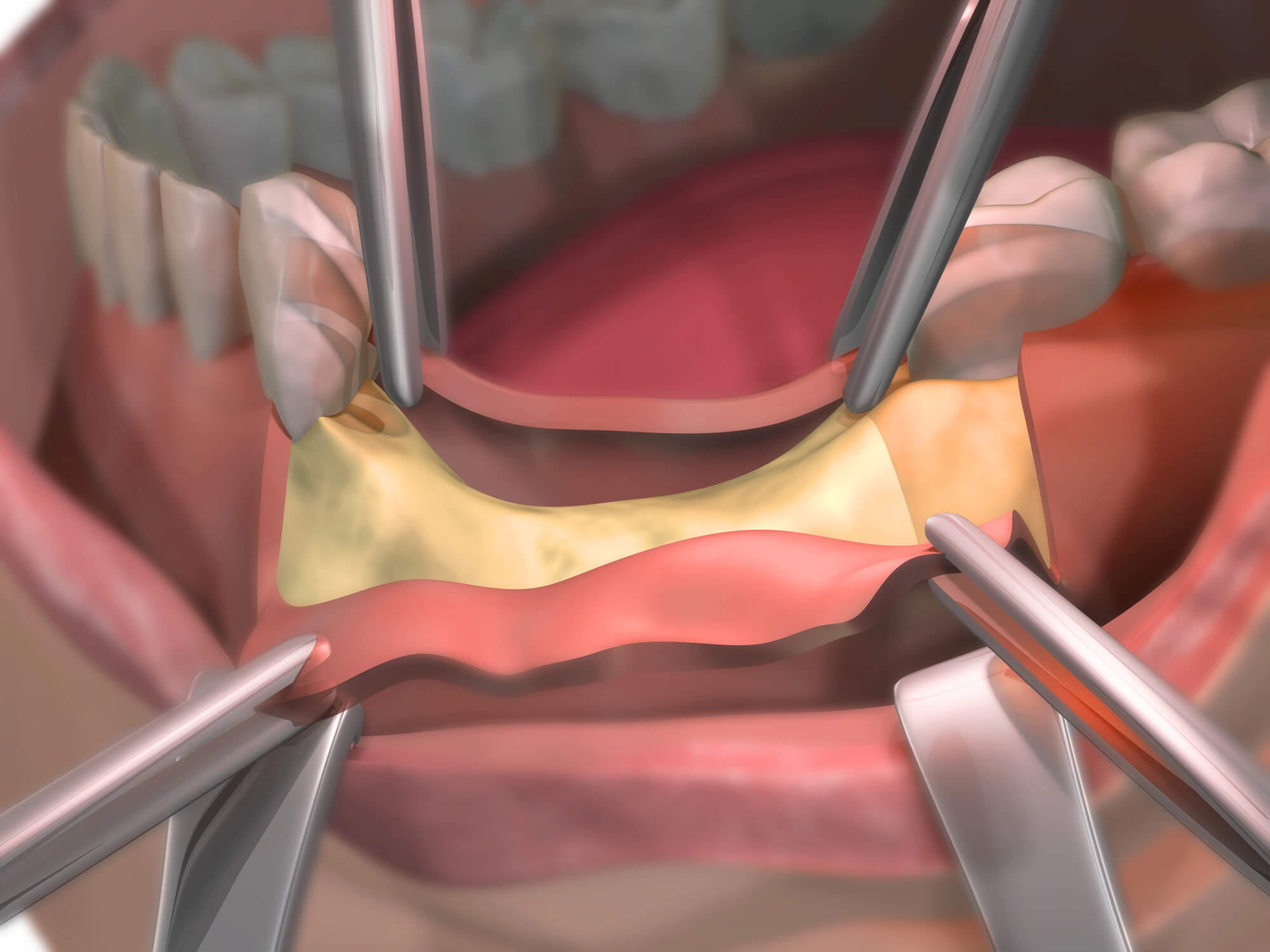
Bone grafting is a procedure used to rebuild or strengthen areas of the jaw where bone has been lost, creating the right conditions for new bone to grow.
Bone loss can happen for several reasons—gum disease, injury, infection, or a lack of stimulation after a tooth extraction. Grafting helps create the strong, stable foundation needed for dental implants and long-term oral health.
At Rintel Oral Surgery, we use advanced techniques to ensure your bone graft is safe, effective, and customized to your specific needs.
Different Kinds of Bone Grafts
Autogenous Bone Grafts
This method uses bone from your own body, often from the chin, jaw, hip, or tibia. Because it comes from you, the risk of rejection is very low, and it typically integrates well with existing bone tissue.
Allogenic Bone
Allogenic bone is taken from a donor and carefully processed to ensure it’s safe and sterile. It’s commonly used when a larger amount of grafting material is needed and avoids the need for a second surgical site.
Xenogenic Bone
Xenogenic grafts come from another species, usually bovine (cow) sources. The material is thoroughly processed to remove all organic components, making it safe for use in humans.
Like allogenic bone, it doesn’t grow new bone on its own but gives your body the support it needs to grow healthy bone over time.
The Bone Grafting Procedure
The process starts with a thorough consultation where we review your medical history, take detailed imaging scans, and discuss your treatment goals. For autogenous grafts, a small surgical procedure is needed first to remove bone tissue from another part of your body.
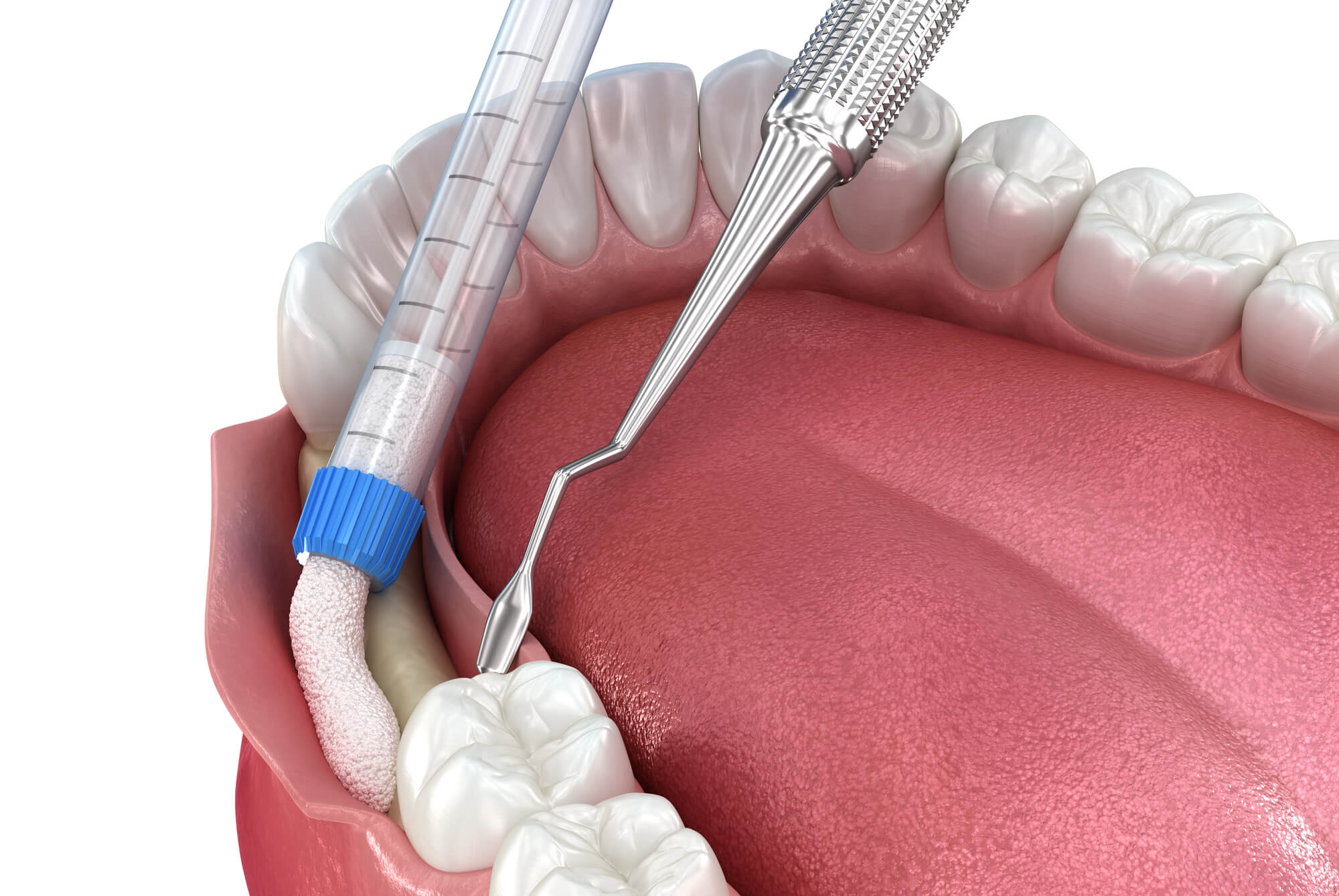
During the main grafting procedure, we place the chosen graft material into the area where the bone has been lost. In many cases, we also use a protective membrane to help support healing and encourage new bone growth.
Healing can take several months, as your body gradually integrates the graft and builds new bone tissue in the area. Recovery time depends on the graft size and location, but it usually takes anywhere from three to six months.
Benefits of Bone Grafting
- Restores jawbone structure
- Makes dental implants possible
- Prevents further bone loss
- Enhances facial appearance
- Supports your oral health
Strengthen Your Smile with Bone Grafting
If you’ve been told your jawbone isn’t strong enough for a dental implant—or if you want to restore its health and stability—Rintel Oral Surgery is here to provide expert care and personalized solutions. Schedule your consultation today!