Impacted Canines
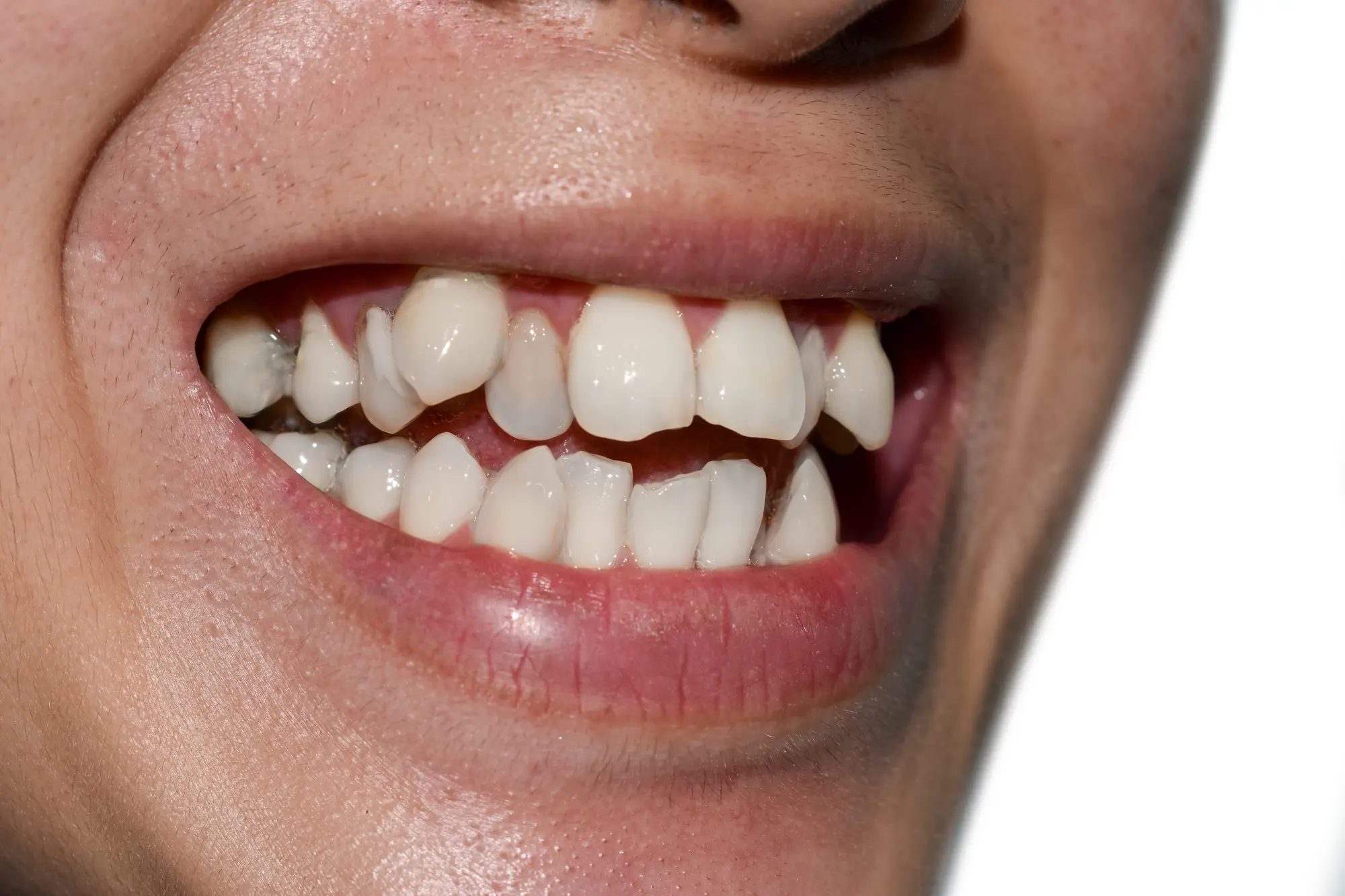
When a canine tooth fails to break through the gums, it can cause pain and misalignment. While this issue is common, it’s often overlooked until it causes noticeable problems.
Our team can provide the help you need to guide the impacted tooth into its proper position, restoring both comfort and your smile.
What Are Impacted Canines?
The canines, also known as cuspids, are the pointed teeth located on either side of the upper and lower incisors. An impacted canine happens when one or both of these teeth fail to emerge properly from the gum line and become trapped beneath the surface.
The issue can occur when:
- The jaw lacks enough space for the tooth to grow properly
- Neighboring teeth create obstructions
- Baby teeth are lost prematurely
- The teeth and jaw are misaligned

Signs of Impacted Canines
Canines typically emerge between the ages of 11 and 12. If one of them hasn’t appeared by then, it could be a sign of impaction. Other common symptoms of impacted canines include pain, swelling in the gum area, and difficulty with bite alignment.
While these signs are common, they can be subtle, which is why regular dental check-ups are crucial for early detection and treatment.
Risks of Leaving an Impacted Canine Untreated
- Damage to adjacent teeth
- Misalignment of other teeth
- Gum infections or abscesses
- Development of cysts or tumors in the gum tissue
- Bite problems or difficulty chewing
- Aesthetic concerns, affecting the appearance of your smile
Treatment for Impacted Canines
Treating impacted canines typically involves a combination of surgery and orthodontic care:
- Surgical Exposure: A small incision is made in the gum, and sometimes, the surrounding bone is gently removed to make space for the tooth.
- Bracketing and Orthodontics: After the tooth is exposed, a small bracket and chain are attached to it, allowing gradual movement of the tooth into its correct position. The process can take several months, depending on how far the tooth needs to move.
- Extraction: If the tooth is severely impacted or cannot be saved, it may need to be extracted to prevent further issues and maintain the alignment of your other teeth.
Dealing with an Impacted Canine?
If you or someone in your family is dealing with an impacted canine, take action with Rintel Oral Surgery. Let us help you find lasting relief—contact us today to schedule a consultation!