Post-Op Instructions After Extractions
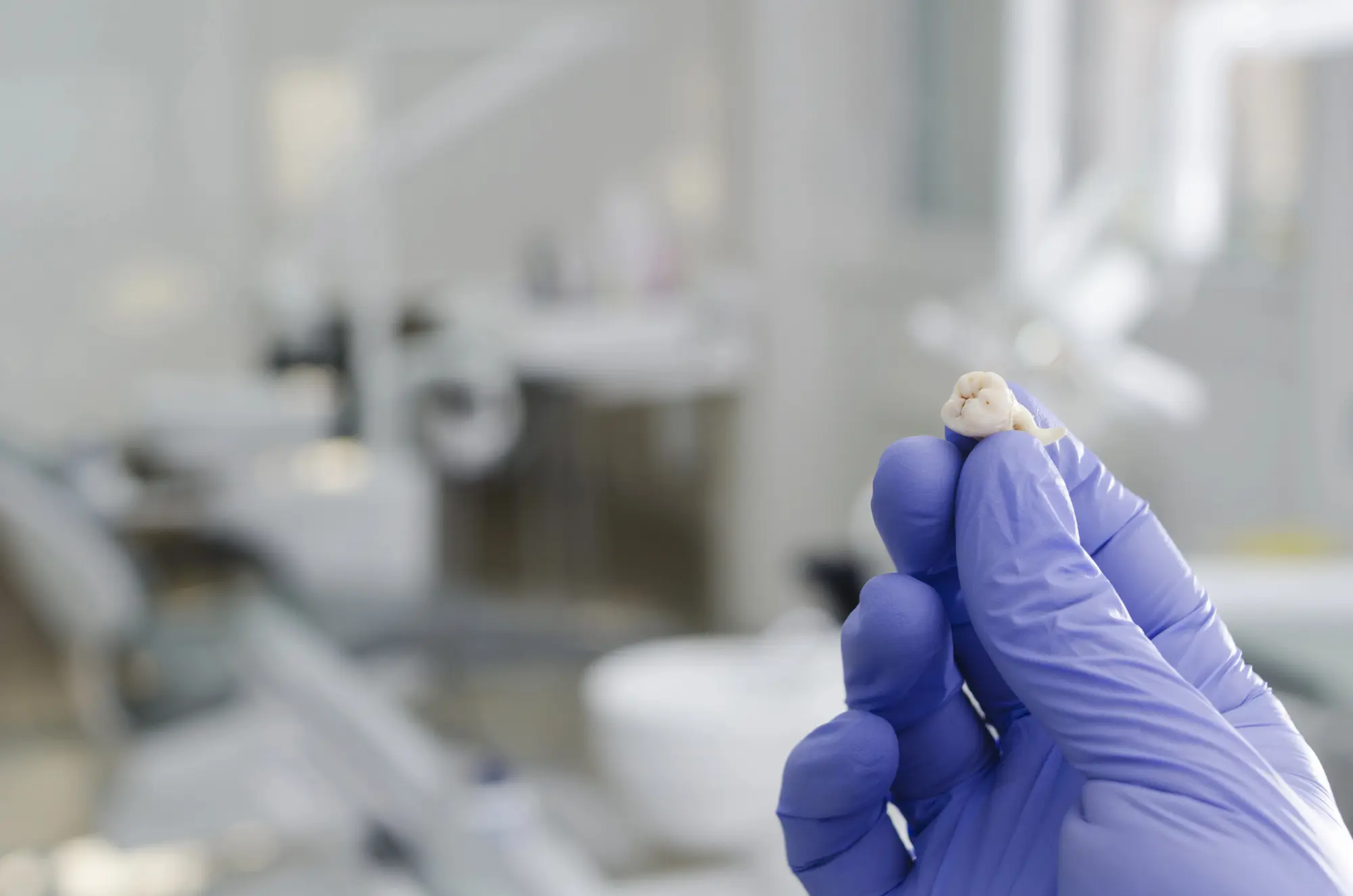
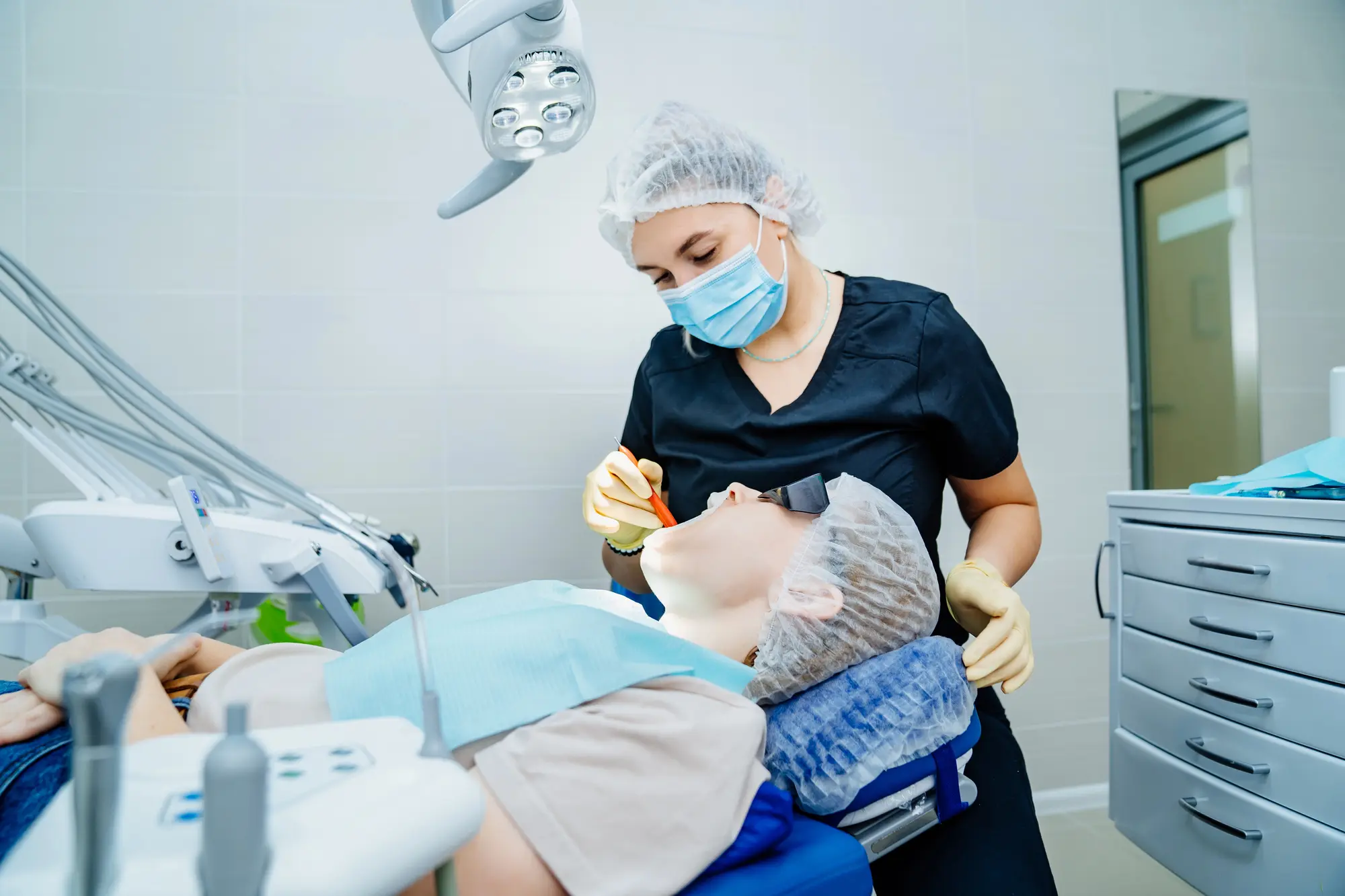
Having a tooth extracted can be a big step toward improving your oral health. To help everything heal properly, it’s important to follow a few simple instructions at home.
What to Do Immediately After Surgery
Forming a Clot
Right after your extraction, your body will begin forming a blood clot in the empty socket for proper healing. To help it happen, bite down gently but firmly on the gauze provided for 30 to 45 minutes.
If bleeding continues, replace the gauze and repeat the process for another 30 minutes. It may take a few rounds before the bleeding slows.
Protect the Clot
After the clot forms, avoid anything that could dislodge it. That means no vigorous rinsing, smoking, drinking through straws, or consuming alcohol for the first 72 hours. Brushing near the extraction site should also wait a few days.
Disrupting the clot can delay healing and increase the risk of complications.
Take It Easy
Avoid intense activity or exercise during the first 24 hours. Increased blood pressure can lead to more bleeding or discomfort at the site.
Other Instructions
What to Eat
Stick to soft, nutritious foods on the day of your extraction. Soups, yogurt, mashed potatoes, and smoothies (without a straw) are good choices. Gradually return to your normal diet when it feels comfortable.
Stay Hydrated
Drink plenty of water to stay hydrated and support healing.
Brushing & Flossing
After 24 hours, resume your normal dental hygiene routine—just be gentle around the extraction area. Keeping your mouth clean helps speed up healing and reduces the chance of infection.
Managing Common Symptoms
Pain
Mild to moderate pain is normal. Use your prescribed or over-the-counter medication as directed. If your pain feels unmanageable, reach out for advice.
Swelling
Apply an ice pack or a bag of frozen vegetables to the outside of your cheek for 15–20 minutes at a time during the first 48 hours. It can help reduce inflammation and make you more comfortable.
Antibiotics
If you’re prescribed antibiotics, take the full course—even if you feel better before finishing them.
When to Call for Help
While mild discomfort and swelling are common, you should contact us immediately if you experience:
- Heavy or prolonged bleeding
- Severe or worsening pain
- Swelling that doesn’t improve after 2–3 days
- Any reaction to your medication
Contact Us Further Questions or Concerns
If anything feels off or you’re unsure about how to care for your mouth after your extraction, please contact our office for a consultation!